
What is an ESL?
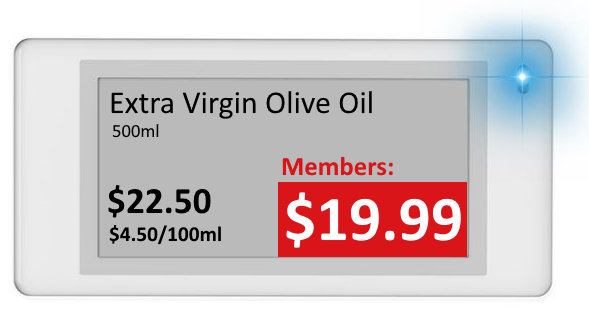
An electronic shelf label (ESL) is a digital price tag or product label used in retail environments to display product information such as price, description, and other relevant details. ESLs replace traditional paper or cardboard price tags with electronic displays, typically using e-paper or LCD screens. These labels are mounted on store shelves and can be updated remotely, offering significant advantages in terms of efficiency, accuracy, and flexibility.
Time & Cost Savings
By automating price updates, retailers save time and reduce errors that may occur with manual label changes.
Improved Customer Experience
ESLs make it easier for customers to see accurate product information, reducing confusion.
Enhanced Branding and Consistency
Retailers can ensure that all pricing and product information is consistent throughout the store.
Use Cases:
There are multitudes of uses for ESLs
Hospitality
Hospitality

Retail
Retail

Supermarkets
Supermarkets
Key Features of Electronic Shelf Labels:
Key Features of Electronic Shelf Labels:
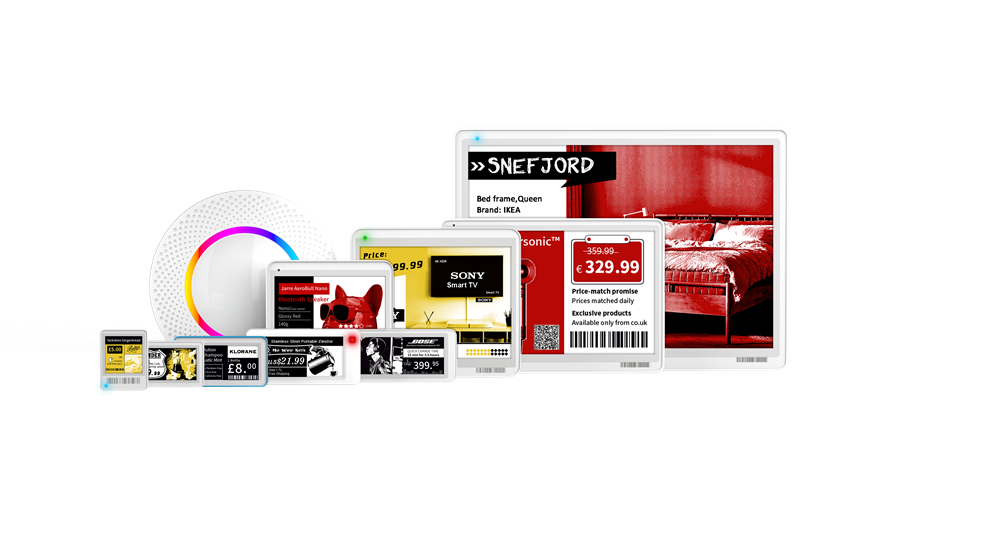
Digital Display: ESLs use e-ink or LED screens to show product details. E-ink displays are popular because they are easy to read, energy-efficient, and maintain visibility even in bright lighting.
Remote Management: Retailers can update the prices and information of multiple ESLs at once from a central system, often via wireless communication (e.g., using Wi-Fi, Bluetooth, or NFC). This allows for quick price adjustments, promotions, or inventory updates without needing to manually change each label.
Energy Efficiency: ESLs are typically low-power devices. E-ink screens, for example, only consume power when updating the display, so they can last for months or even years on a single battery charge.
Real-Time Pricing: ESLs allow stores to adjust pricing in real time, making it easier to implement dynamic pricing strategies, respond to market changes, or reflect promotions instantly.
Information Display: ESLs can show more than just prices; they can also display product details, barcodes, QR codes, stock levels, and promotional messages. Some advanced ESL systems even support multimedia content like images or videos.
Benefits of ESLs:
Sustainability: By reducing the need for paper labels, ESLs help reduce waste, supporting more sustainable retail practices.
Use Cases:
Supermarkets: ESLs are often used in grocery stores to dynamically update prices based on promotions, discounts, or inventory changes.
Electronics Retail: In tech stores, ESLs can display product specifications alongside prices and availability.
Fashion Retail: In clothing stores, ESLs can show size, color availability, and price.